Document
Intelligence Panel Urges Expanded U-2 Reconnaissance to Locate Soviet Intercontinental Ballistic Missiles (1959)
Key Details
Date: August 25, 1959
Created By: L.A. Hyland
Original or Replica: Original
Era: The Presidency, The Cold War
Collection: Eisenhower Presidential Library
Citations: Office of the Staff Secretary, Box 15, Subject Series, Alphabetical Subseries, Intelligence Matters (13); NAID #12009386
About
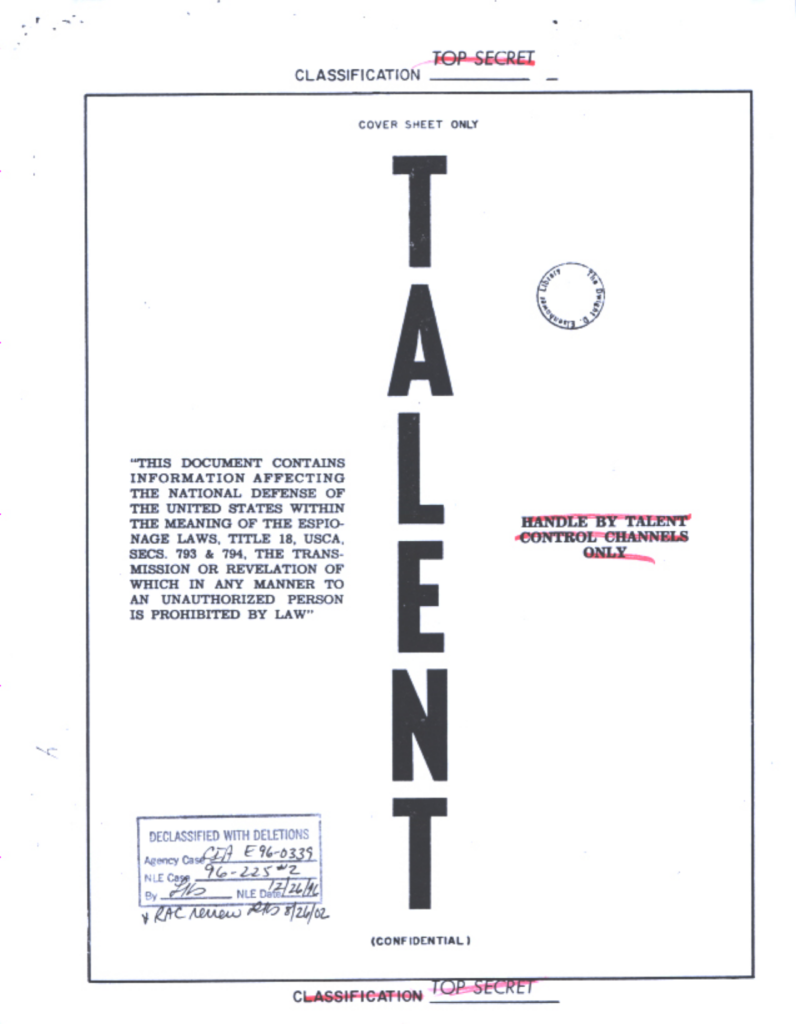
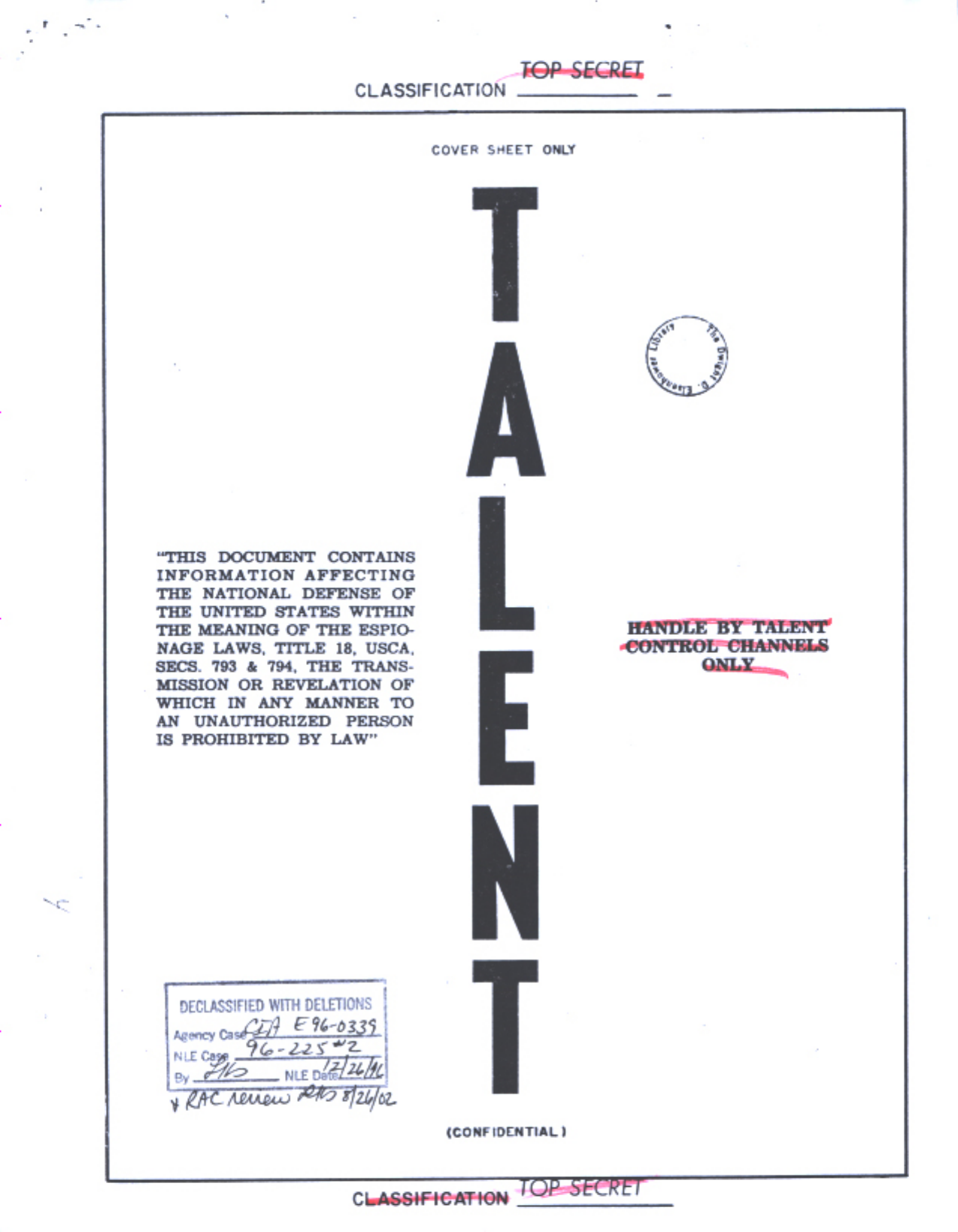
This August 25, 1959 top-secret memorandum to the Director of Central Intelligence presents recommendations from the DCI’s Ad Hoc Panel on the Soviet ICBM program concerning the continued use of TALENT aerial reconnaissance photography. The panel emphasizes that high-altitude photographic intelligence offered the United States its only reliable method for locating Soviet missile sites and therefore deserved the highest national priority. It specifically recommends additional coverage of Soviet rail lines in the Polyarnyy Ural region, which analysts believed could contain operational deployment facilities for Soviet intercontinental ballistic missiles.
The memorandum illustrates the intelligence value of U-2 photography by discussing the discovery of a previously unknown missile launch facility at Tyura Tam. Analysts conclude that the facility’s unusually large fixed launching complex was an essential part of the Soviet operational missile system. The document argues that repeated reconnaissance of such locations could allow American intelligence to identify missile installations and better understand Soviet ICBM capabilities.
The panel also stresses the importance of collecting telemetry intelligence during Soviet missile tests. It recommends continuing peripheral reconnaissance flights to gather electronic data before, during, and after launches because such information could reveal important characteristics of Soviet missiles.
Finally, the panel acknowledges that improving Soviet air defenses could soon make deep reconnaissance flights increasingly dangerous. It therefore recommends conducting additional high-priority overflights as soon as possible, expanding peripheral reconnaissance, and accelerating development of replacement reconnaissance systems, including improved aircraft and reconnaissance satellites.
The document provides an important look at why U-2 reconnaissance remained so valuable to American intelligence and why officials were simultaneously beginning to look toward satellites as the future of strategic reconnaissance.
Used In These Lessons & Programs
Bring History to Life
Join us for engaging learning experiences designed for young minds.