Dwight D Eisenhower
President Eisenhower
A life defined by leadership and a commitment to peace
A Commitment to Peace
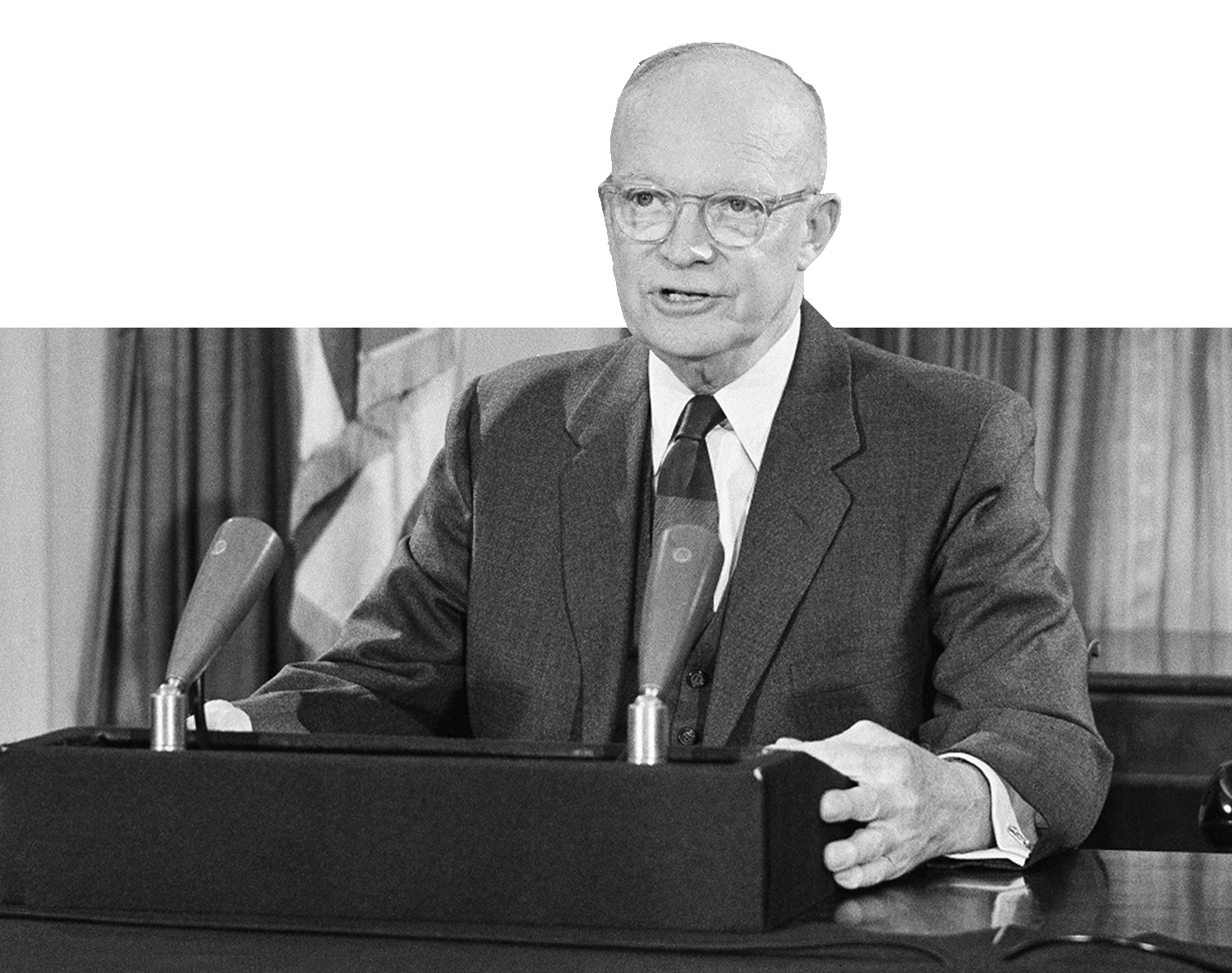
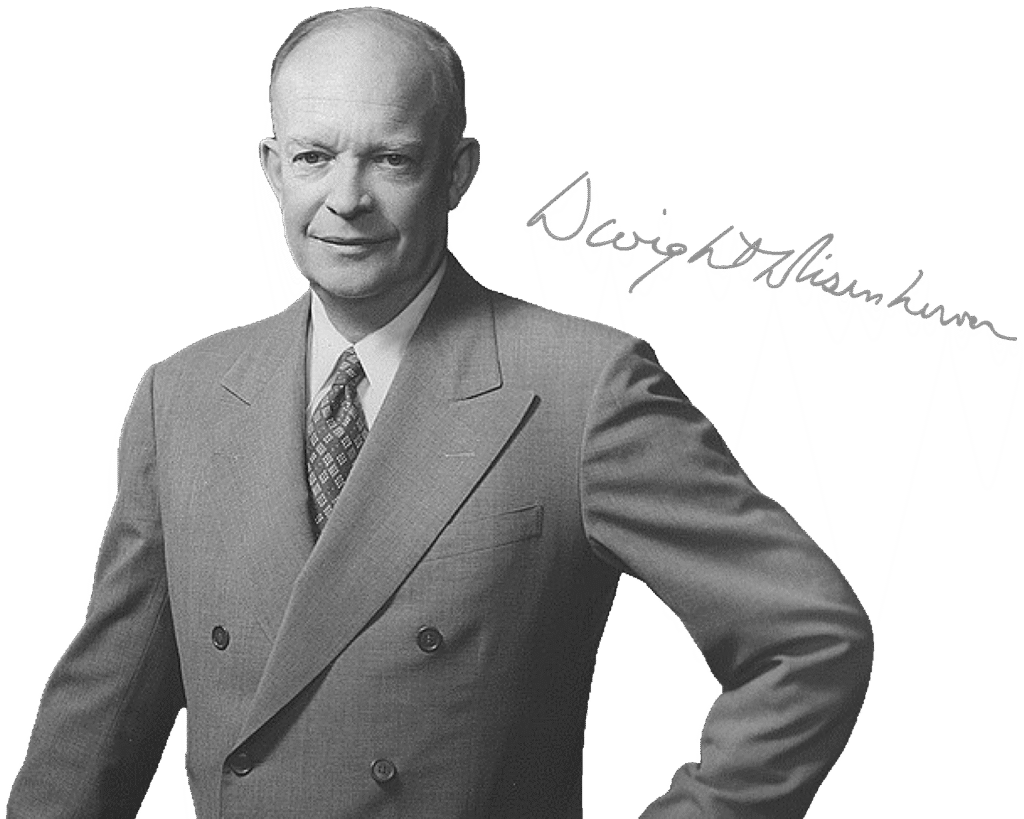
Eisenhower’s rise from Abilene to Supreme Allied Commander and 34th U.S. President reflects leadership, strategic vision, and civic duty that guided the nation through war and growth, leaving a lasting impact on American and global history.
Eras of Ike’s Life
1890-1910
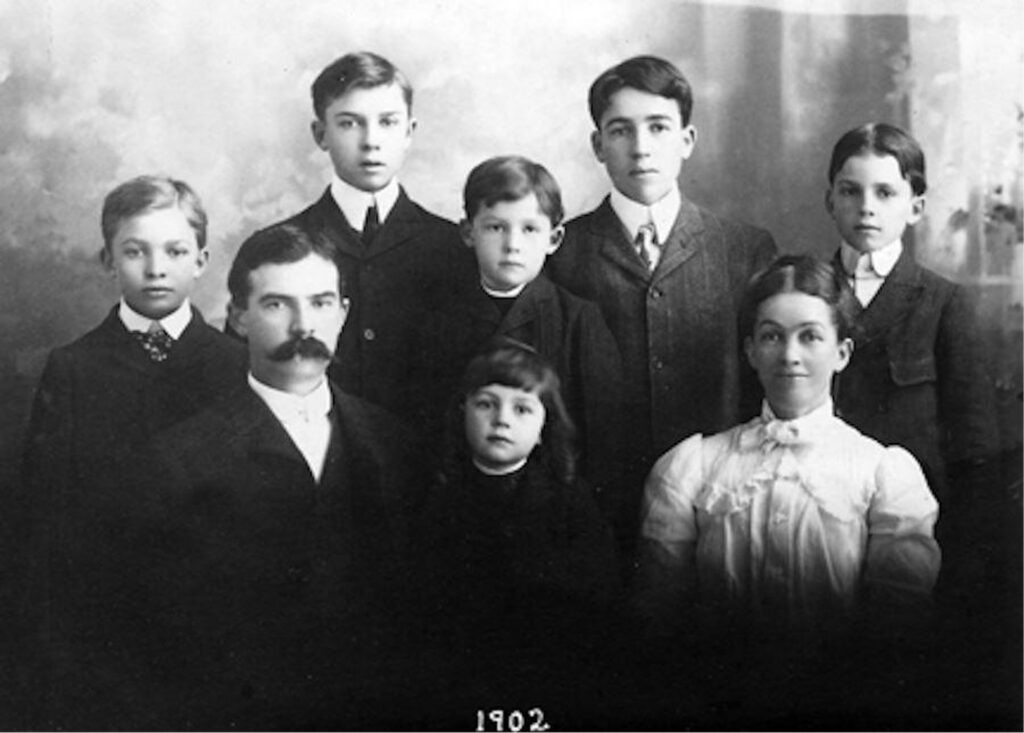
Boyhood
Dwight D. Eisenhower's formative years in Abilene, Kansas, were crucial to his development, providing him with the foundational experiences and values that shaped his future roles as a general and President of the United States.
Highlights:
- About Abilene
- Ike's Hobbies and Interests
- First Job and Early Schooling
1911-1915
West Point
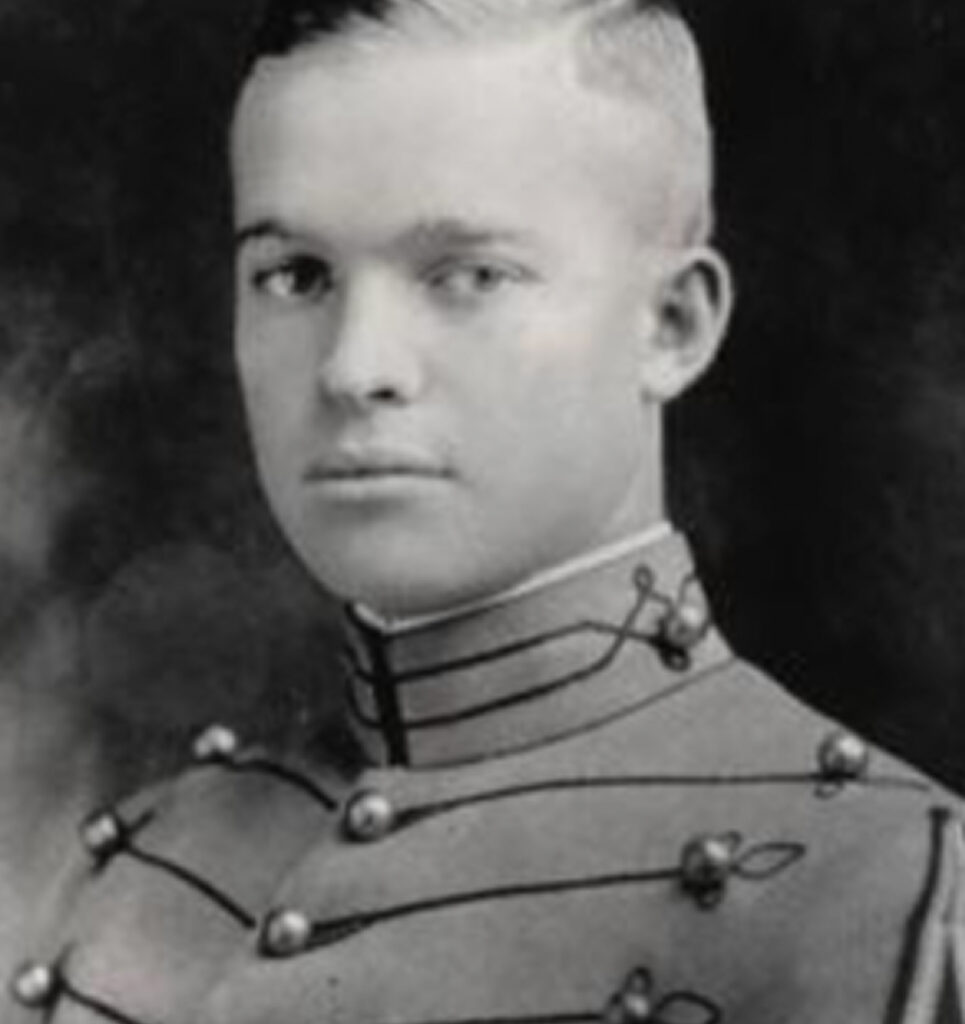
After initially seeking an appointment to Annapolis, Dwight D. Eisenhower earned a spot at West Point, where he reported in June 1911 and graduated in 1915, beginning his military career.
Highlights:
- Preparing for the Future
- Football Career
- The Class the Stars Fell On
1915-1919
The Great War Years
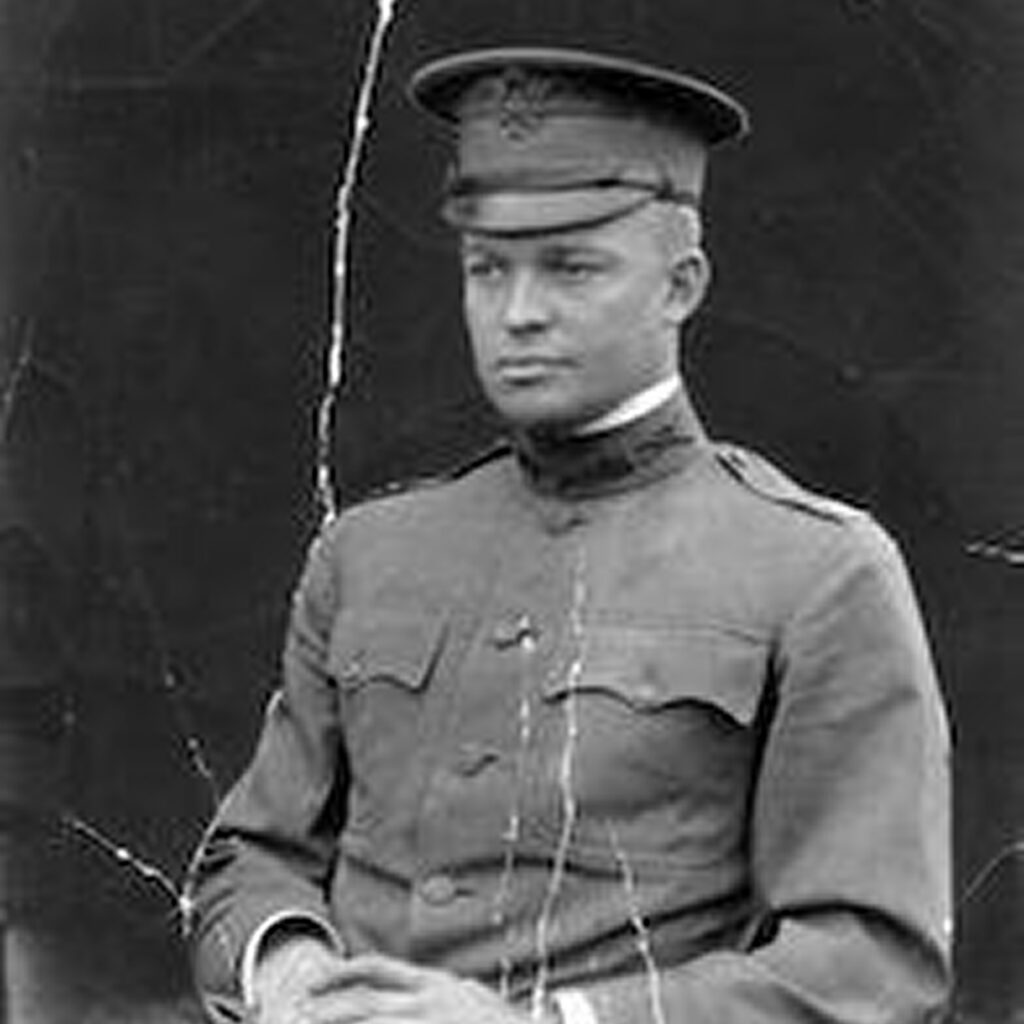
Second Lieutenant Dwight D. Eisenhower left Abilene to join the 19th Infantry at Fort Sam Houston, Texas. In the next few years, he would serve at 8 different military posts, marry, become a father, and experience the Great War from stateside.
Highlights:
- Marriage and Parenthood
- Rising in Ranks
- Serving the Interior
1919-1927
The Watershed Years
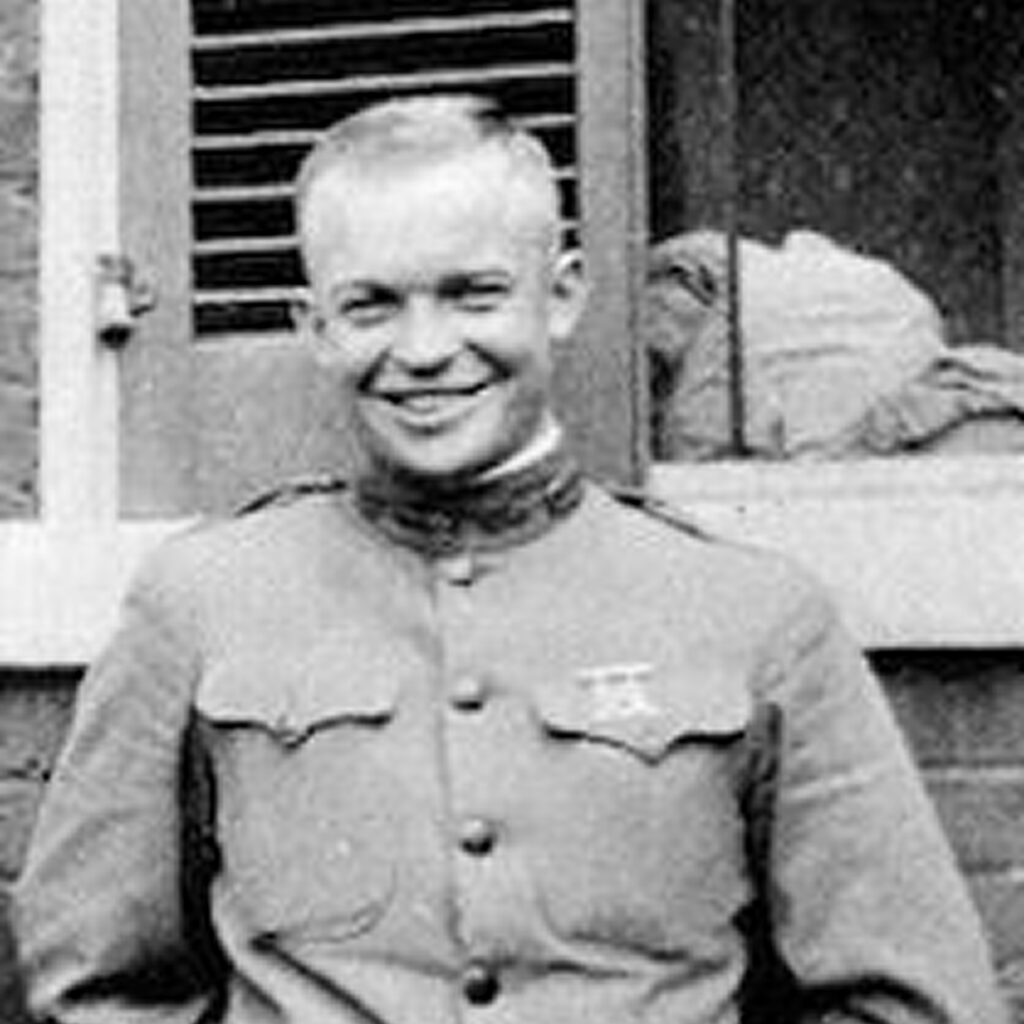
In the decade following World War I, neither the country nor Dwight D. Eisenhower would ever return to life as it had been. These were the “Watershed Years,” and in Eisenhower’s own words, it was the time of the “greatest disappointment and tragedy of my life.”
Highlights:
- Meeting George Patton
- Camp Meade
- Distinguished Service Medal
1927-1935
The Washington Years
His time in Washington was an extraordinarily busy period of Ike’s life that placed him on the inside track of the nation’s military and political establishment.
Highlights:
- Army War College
- A Year in France
- The Great Depression
1935-1940
Clouds of War
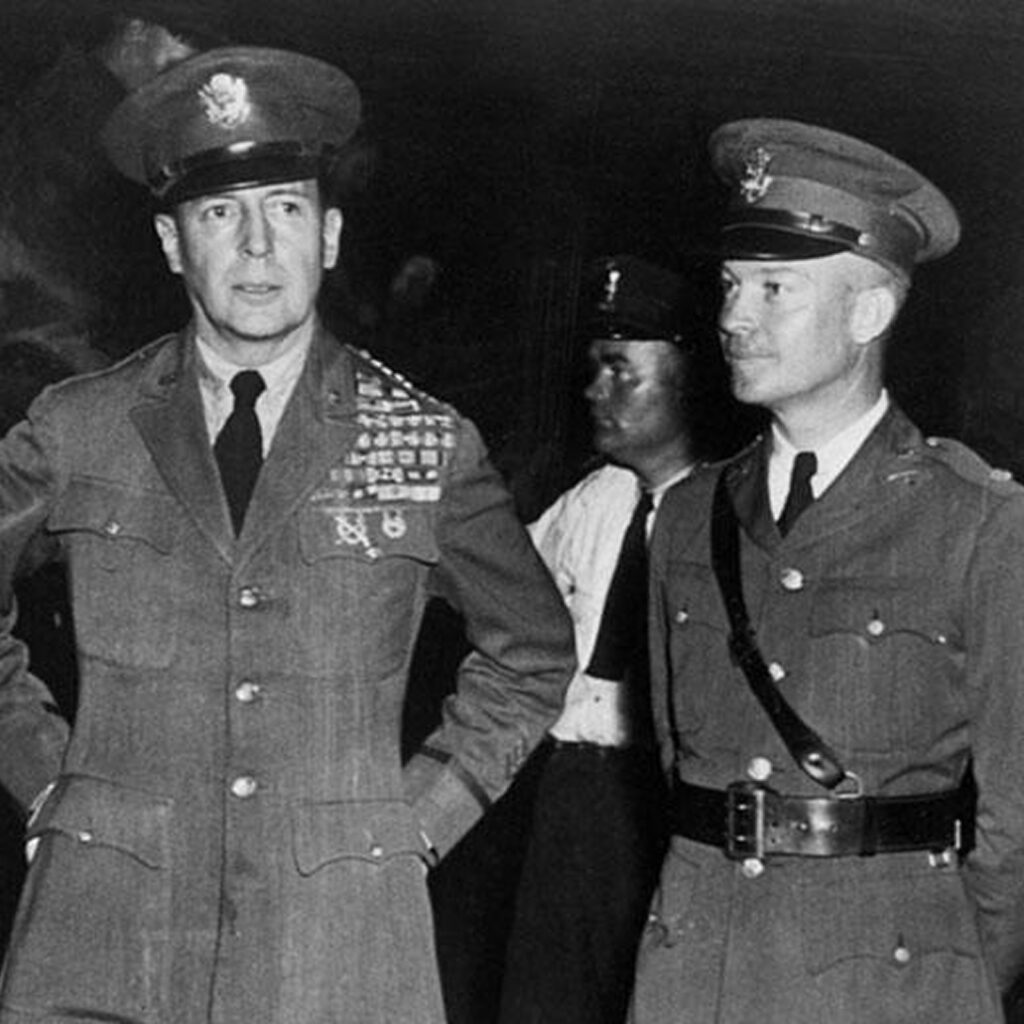
Dwight D. Eisenhower would serve four long years in the Philippines under General Douglas MacArthur, military advisor to the new Philippine government.
Highlights:
- Years in the Philippines
- Moving Back to the U.S.
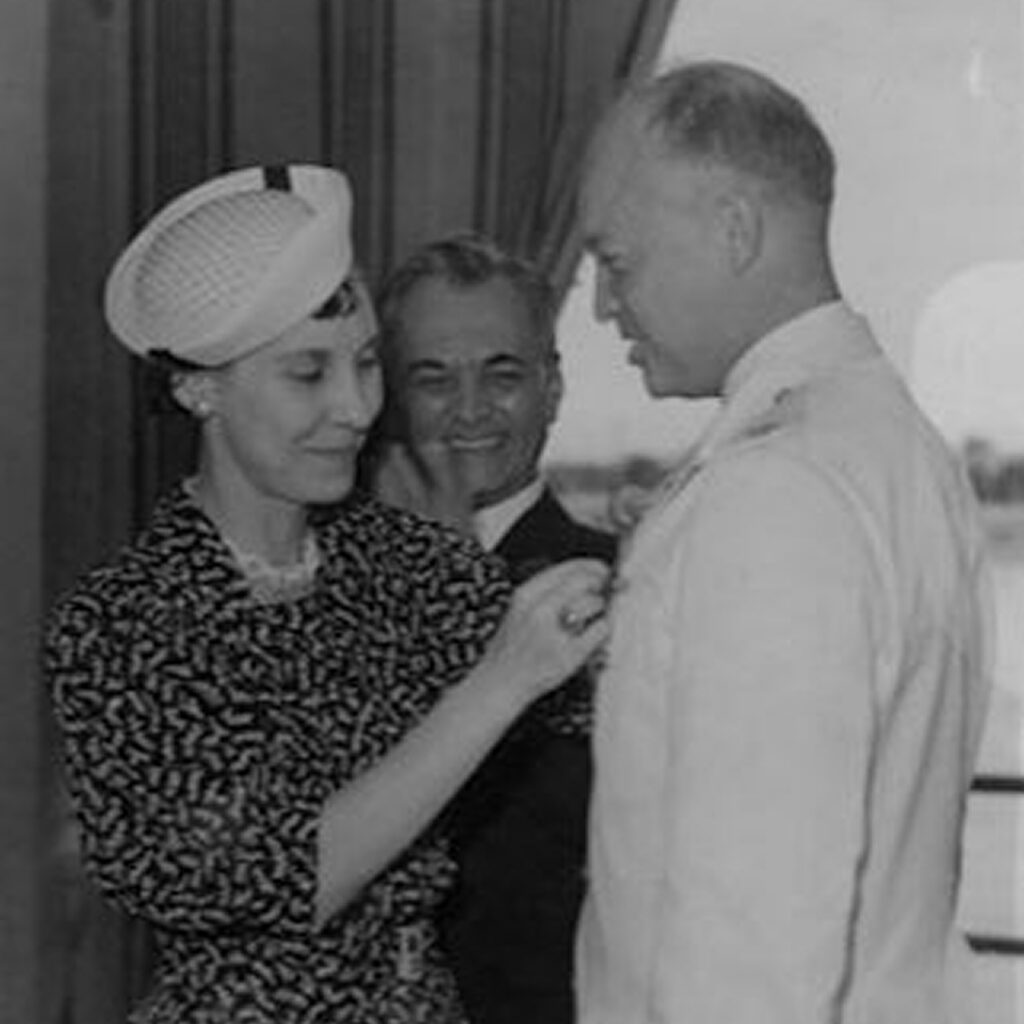
1941–1944
A Hard War; A Bitter, Bloody War
Five days after the disaster at Pearl Harbor, on December 12, 1941, Ike answered a phone call from Washington. “The Chief,” United States Army Chief of Staff General George C. Marshall, wanted him in Washington right away.
Highlights:
- Work at the War Department
- Forming the Allies
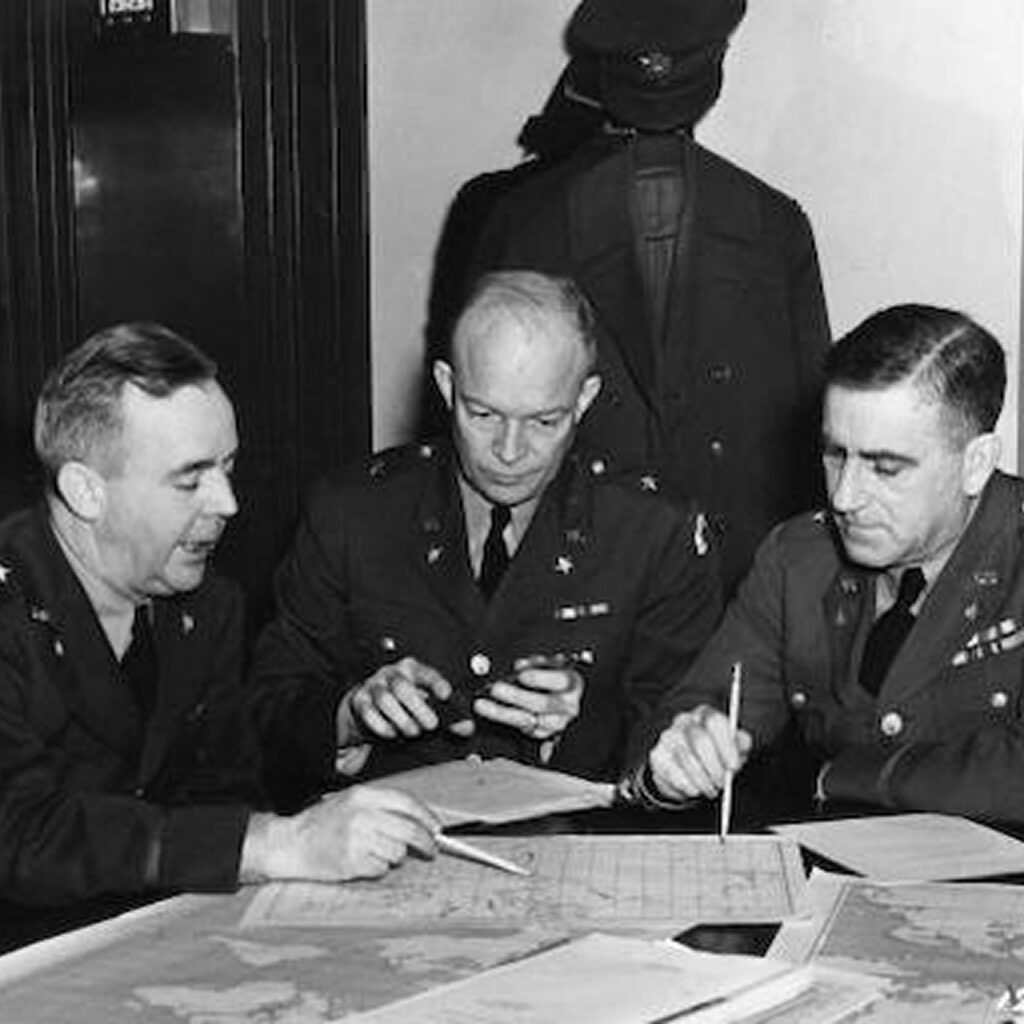
1944-1945
Nothing Less Than Full Victory
For the new Supreme Allied Commander, the last two years of the war would be his most challenging yet. Eisenhower would oversee the gargantuan plan for the invasion of Europe: the largest air, sea, and land assault in history.
Highlights:
- D-Day
- Germany Surrenders
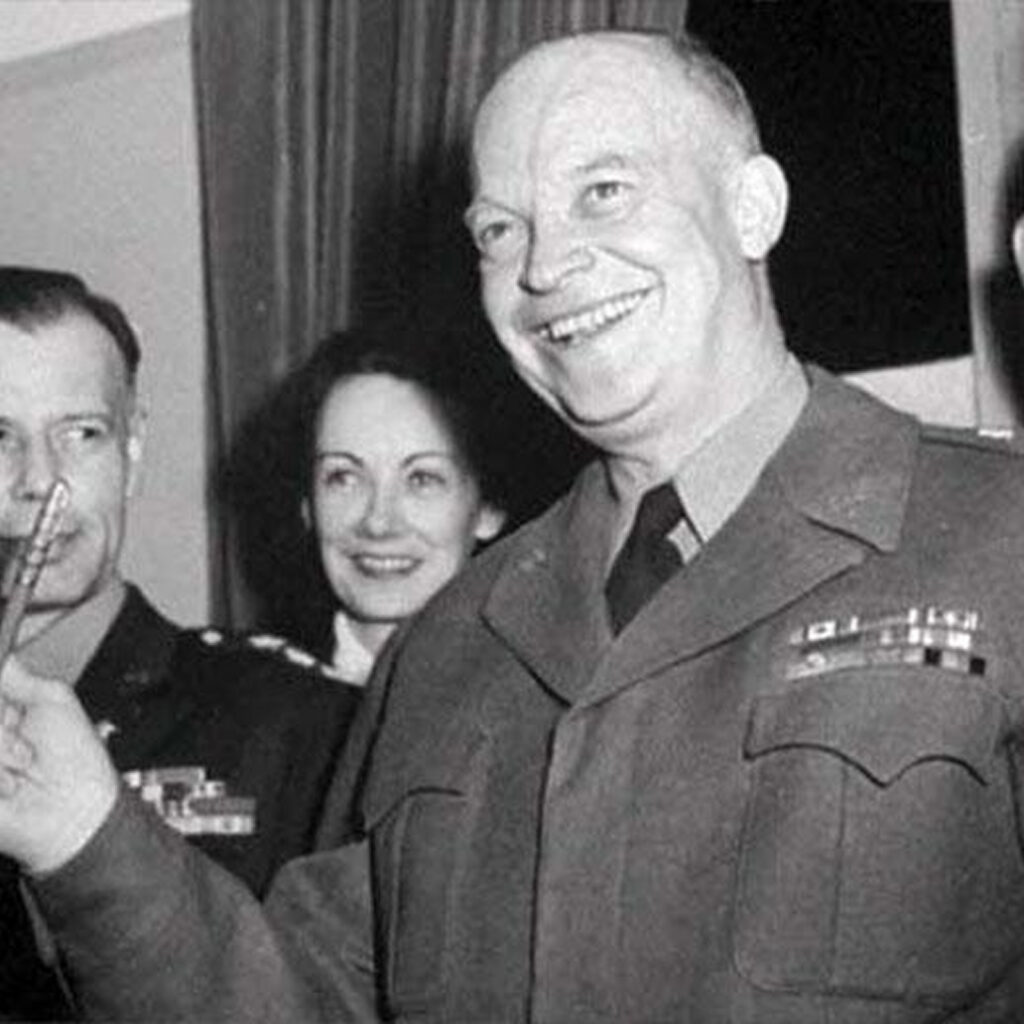
1944-1951
Post-War
There were countless opportunities presented to Eisenhower after the war, and he turned most of them all down. To have served his country had been a great honor, and he refused to exploit it for personal gain.
Highlights:
- Writing his Memoir
- Columbia University Presidency
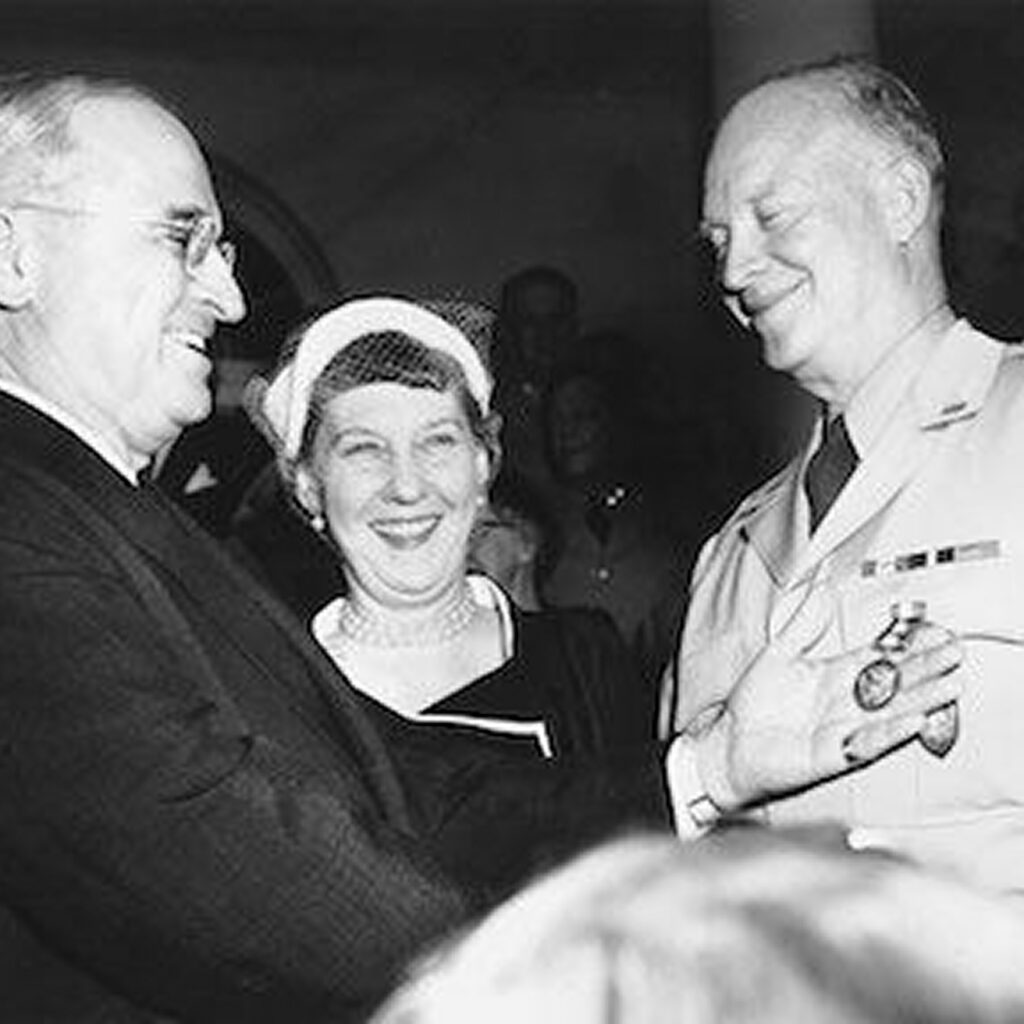
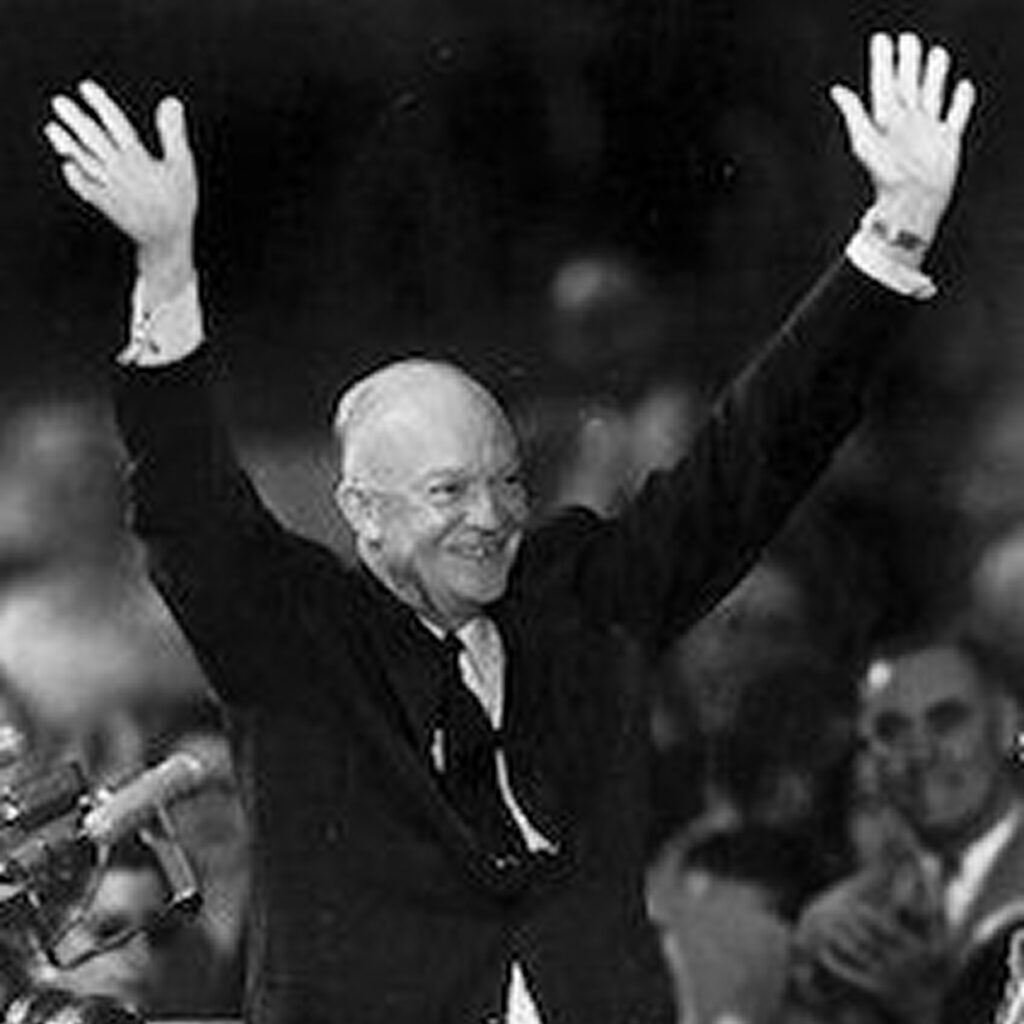
1951-1953
The Candidate
As early as 1943, Ike’s name had been casually linked with the highest office in the land. By 1948, public opinion polls indicated that he was America’s first choice for President of the United States.
Highlights:
- Eisenhower for President
- Democratic Angst
1951-1953
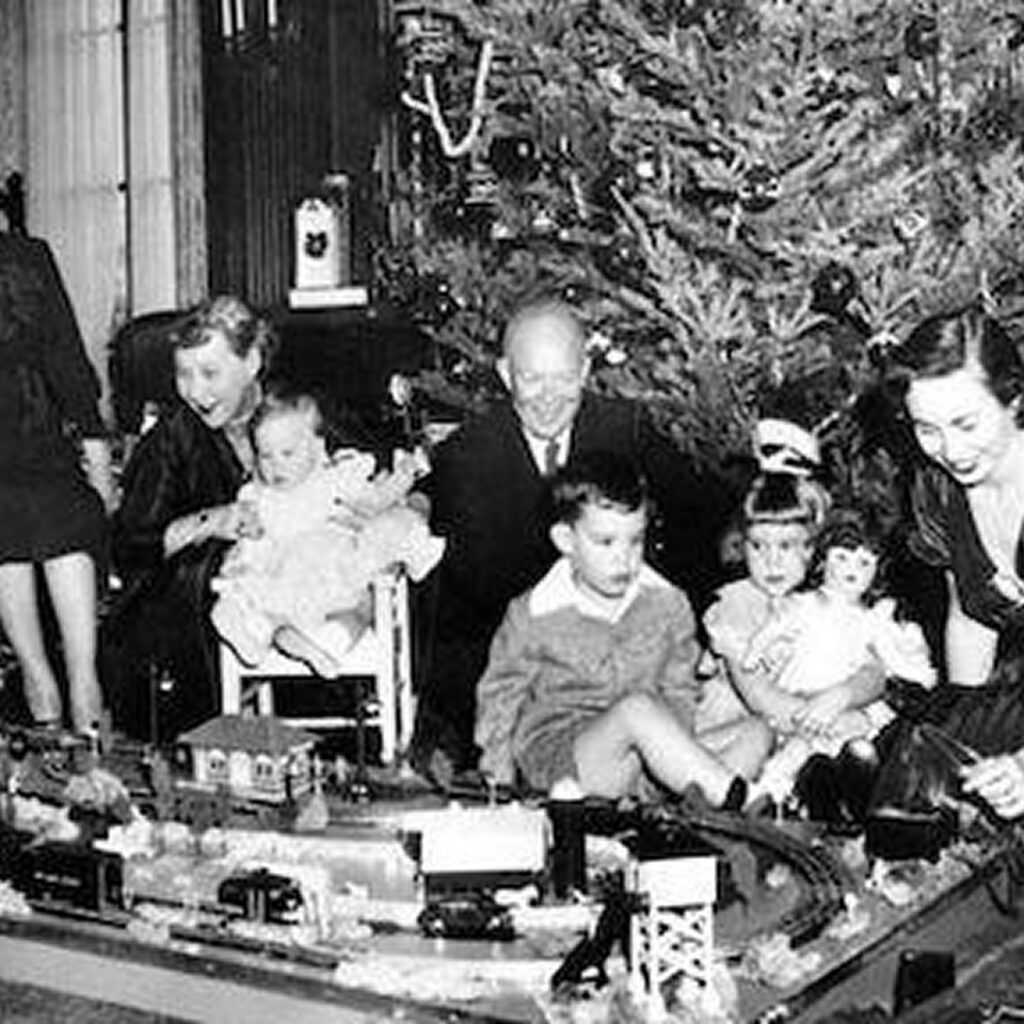
Ike's Family
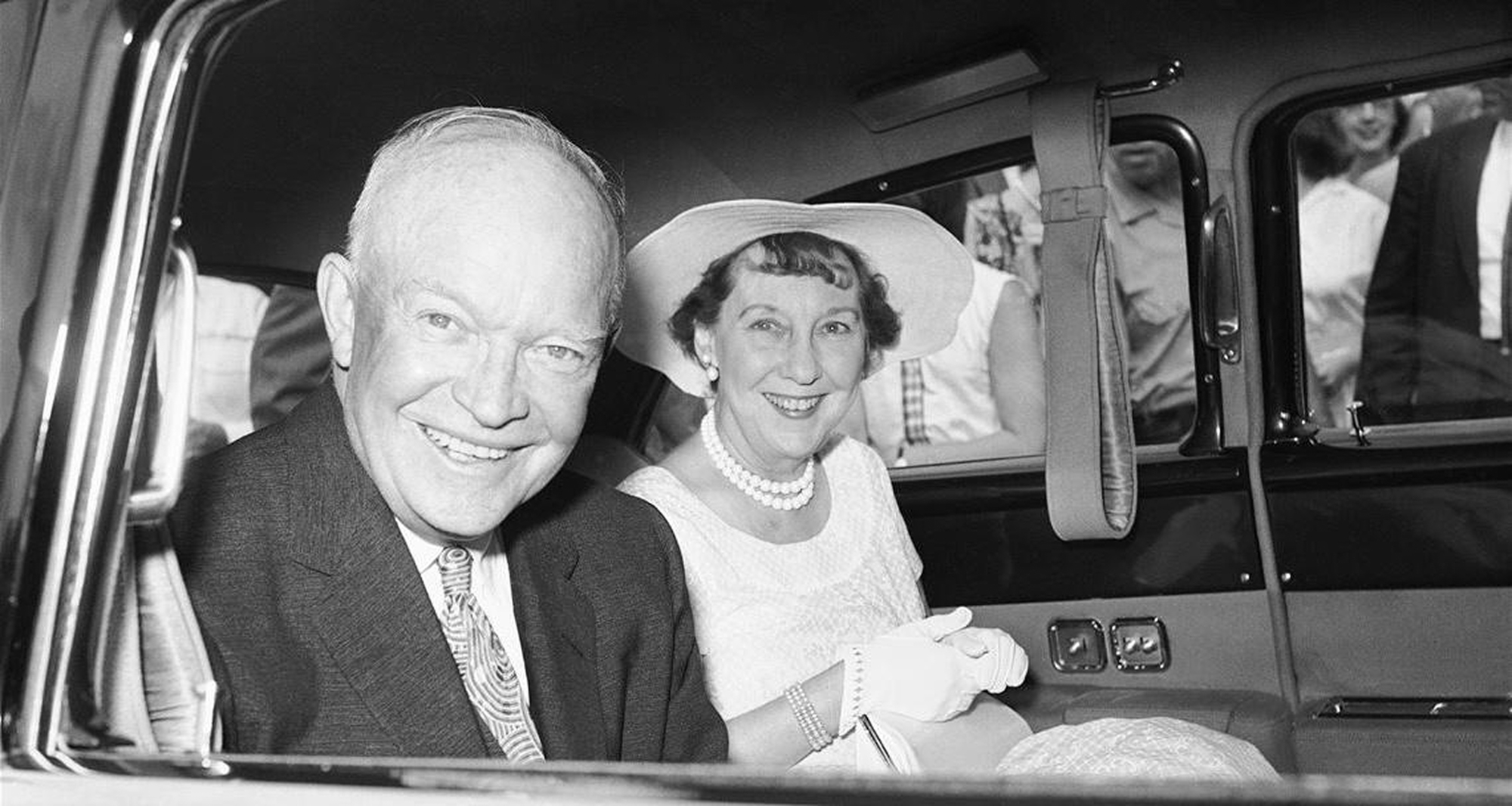
By 1951, Ike and Mamie Eisenhower were at a comfortable stage in their lives. They had adapted to living a very public life and looked forward to being private citizens one day.
Highlights:
- Pressure of the Campaign
- Mamie's Support
1953-1957
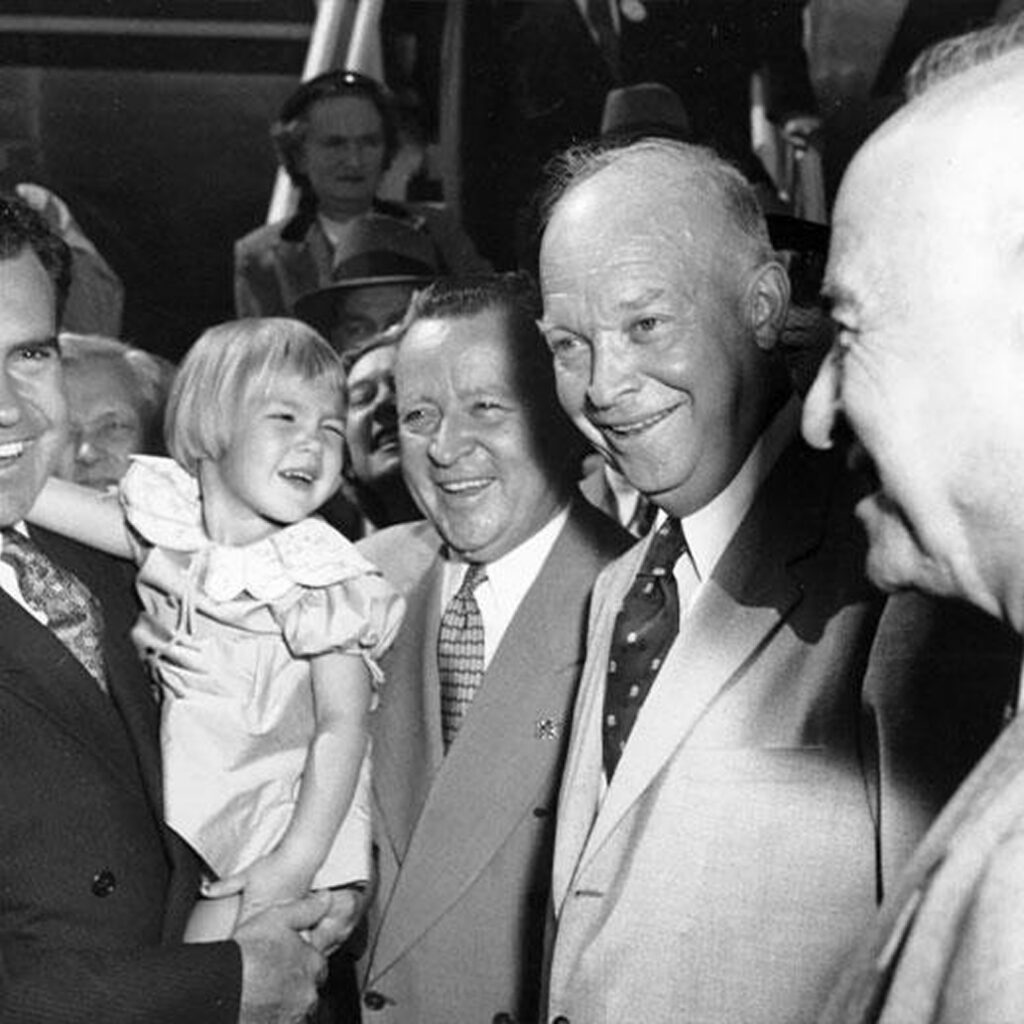
Ike's First Term as President
On January 21, 1953, Dwight Eisenhower entered the Oval Office, better prepared than many who had come before him, to begin his first day as President of the United States.
Highlights:
- First Decisions as President
- A Day in the Life
1957-1961
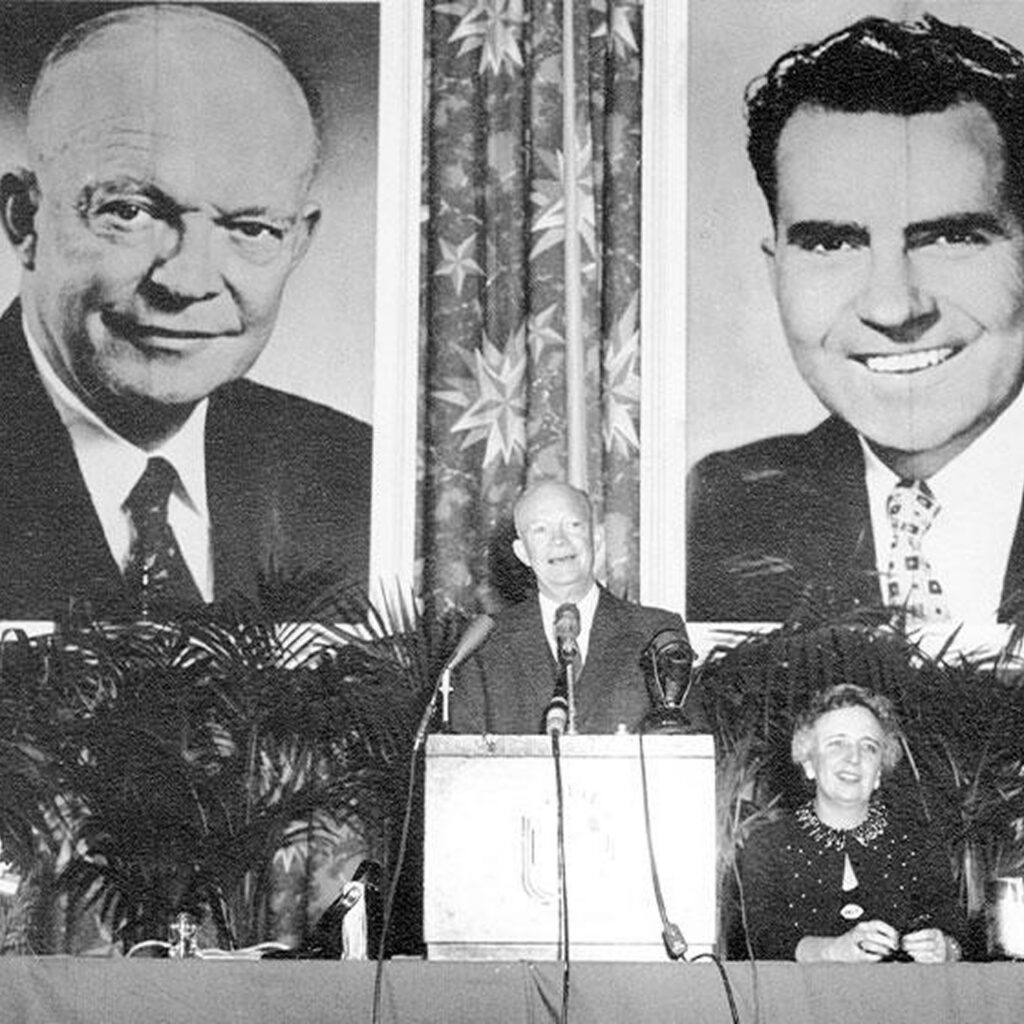
Ike's Second Term as President
If Dwight D. Eisenhower had known in 1956 how contentious and difficult his second term would be, he might have been even more reluctant to consider reelection.
Highlights:
- Civil Rights
- Health Struggles
- Kennedy’s Election
1961-1969
The Statesmen
On January 20, 1961 President Eisenhower retired to his small farm adjacent to the battlefield outside Gettysburg, Pennsylvania.
Highlights:
- Kennedy Administration
- Johnson Administration
- Writing "The White House Years"
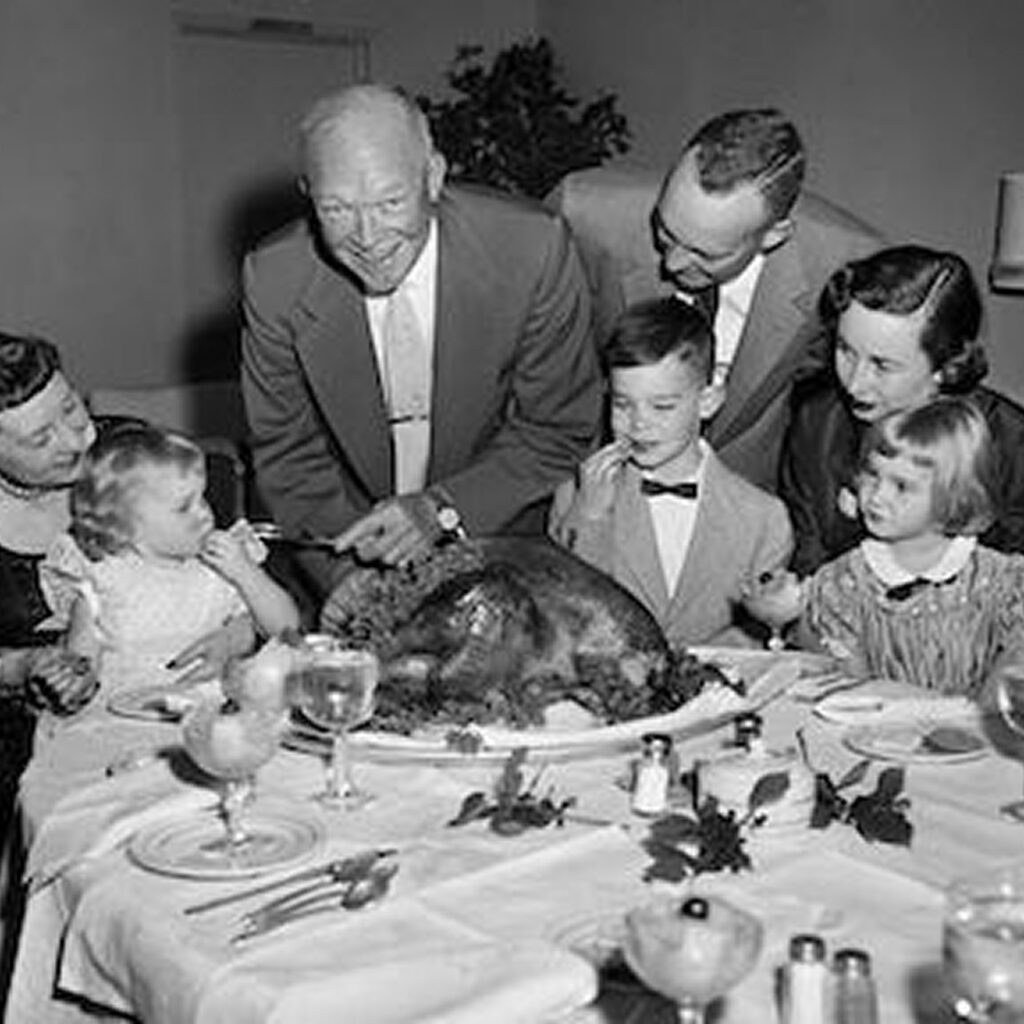
Explore the Primary
Source Library
Browse hundreds of artifacts in our interactive collection.
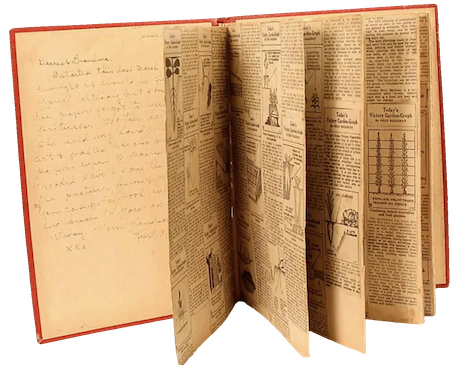
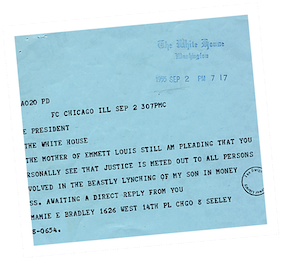


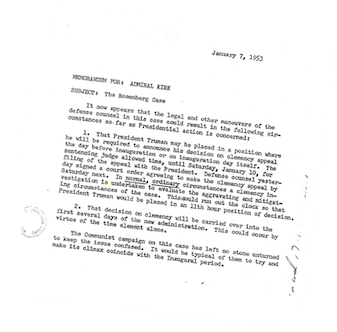
More Ways to Explore Ike’s Legacy
Interactive Timeline
Trace the major events and milestones in Eisenhower’s life and career.
Pivotal Moments
Explore important accomplishments in Ike’s military career and presidency.
Lesson Plans
Engaging, standards-aligned lessons about Eisenhower’s leadership and legacy.
Get Involved
Learn, visit, and support The Eisenhower Foundation through programs, tours, and philanthropy.